
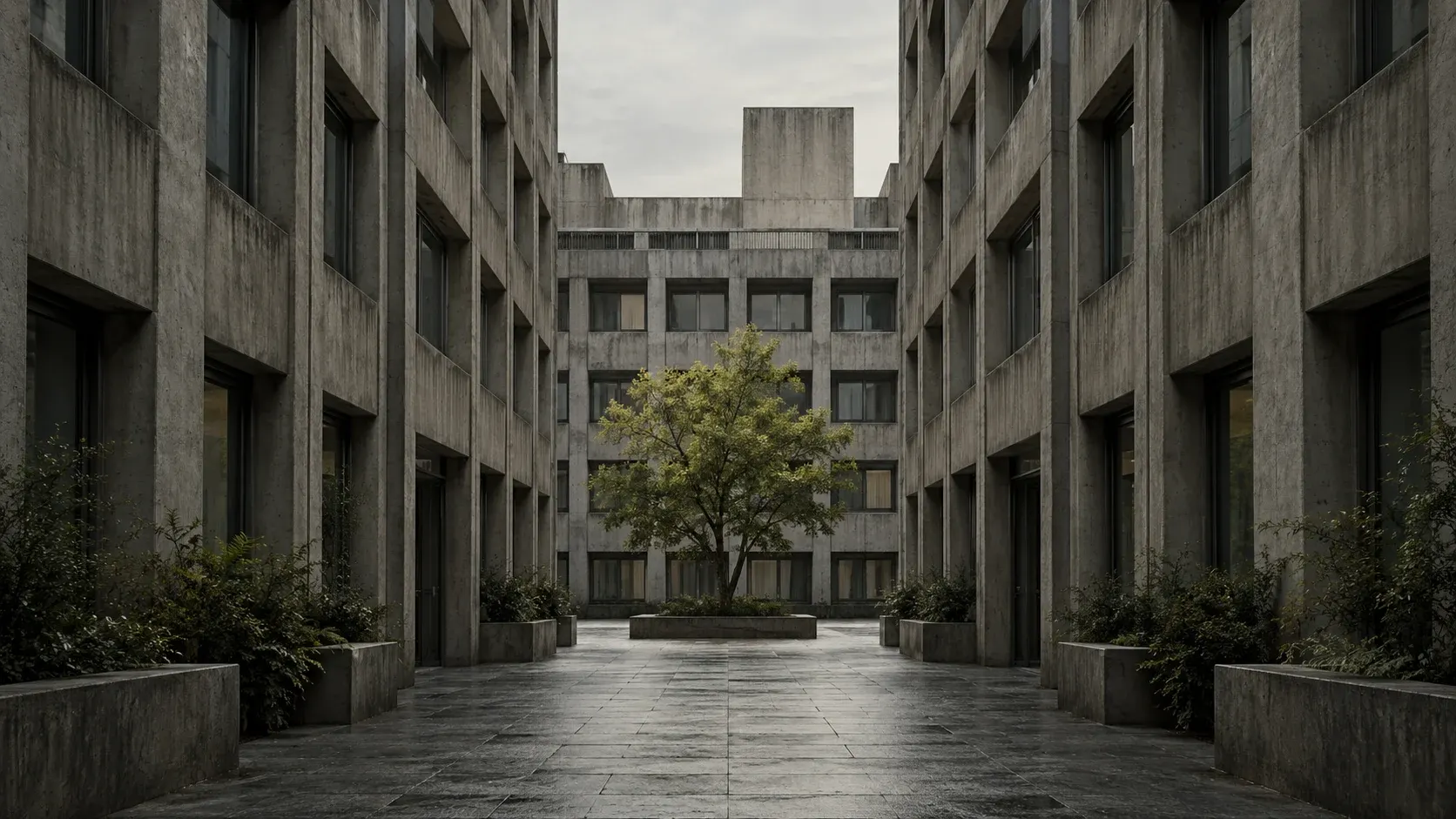
A fictional community announces that everyone must eat at the same hour. On its own, that rule tells you little. The story becomes more revealing when someone arrives late, asks who chose the hour, or discovers that an official eats whenever they please.
Rules in dystopian fiction are worth reading through their operation. A slogan describes what a society says about itself; an exception can show how it actually works.
Write down the rule and its stated reason
Choose one rule from a story you are reading. Record how it is presented and who presents it. Is it explained as protection, fairness, efficiency or tradition? Keep the society’s justification separate from your own assessment.
In an original fictional example, a town bans personal clocks to prevent anxiety about lateness. That stated reason may sound benevolent. The next useful question is who controls the public bell and whether residents can challenge its timing.
Look for unequal consequences
What happens when different people break the same rule? Pay attention to status, access and the ability to offer an explanation. Do not assume unequal treatment from atmosphere alone; identify a scene or passage that shows it.
A character who follows the rule reluctantly can be as revealing as an open rebel. The hesitation may expose a conflict between belonging, convenience and private judgment.
Notice how language narrows the question
Is breaking the rule called a mistake, a threat or a failure of gratitude? Those labels can influence what characters are allowed to discuss. Ask whether the narrative itself adopts the label or gives you reasons to question it.
The distinction matters because a narrator and a fictional authority are not always speaking from the same position.
Keep your interpretation tied to a detail
Finish with one claim about the rule and two supporting moments. Leave space for a passage that complicates your reading. This makes the exercise useful even when the society is deliberately ambiguous. For a visual companion, explore how ordinary places become unsettling on screen.