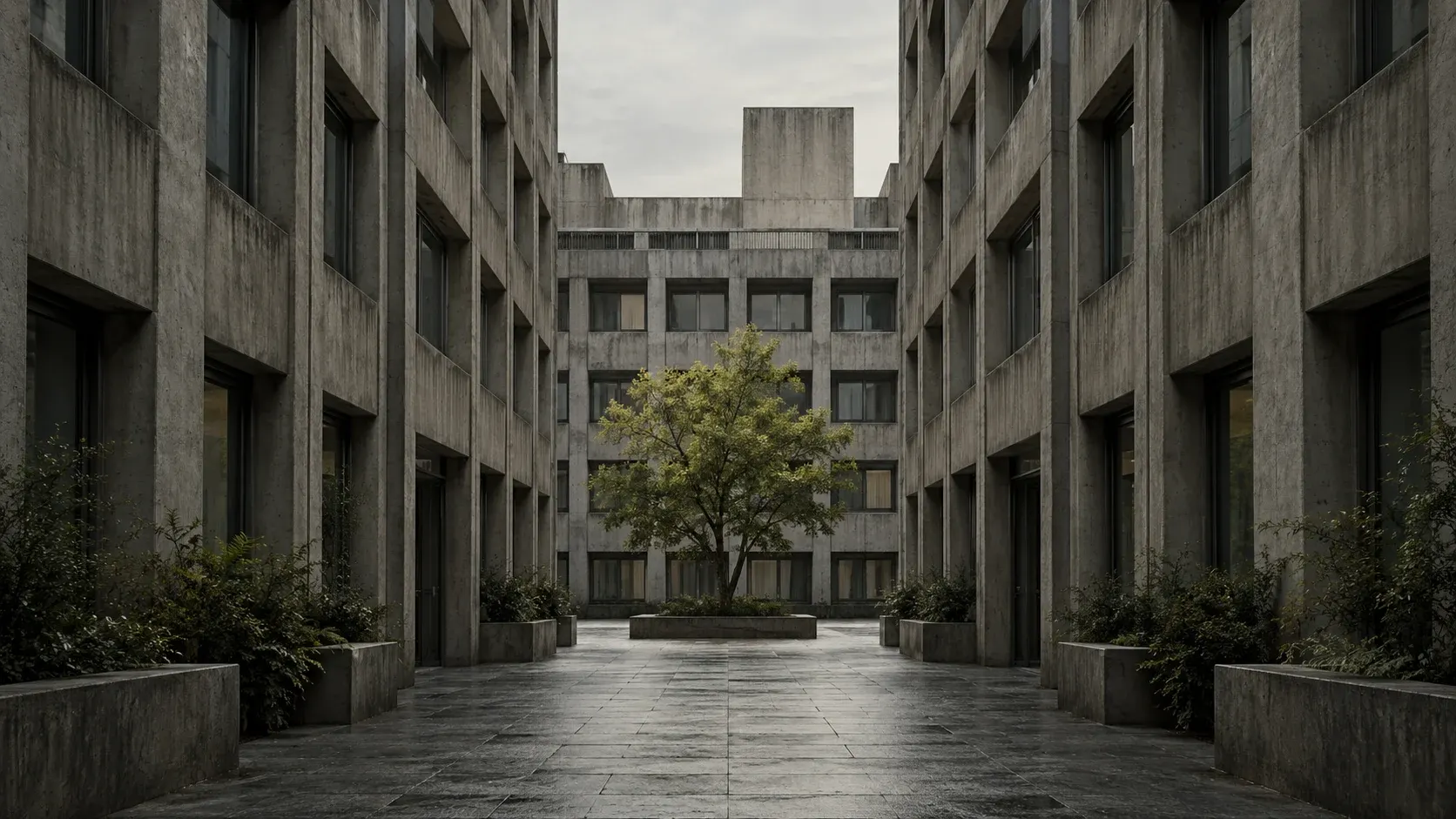
An adult narrator recalls standing outside a classroom as a child. The child does not understand why the door stays closed; the narrator may understand much more. Reading the scene becomes richer when those two positions remain distinct.
Separate the experiencing self from the telling self
Use a simple pair of notes: what the character could know at that moment, and what the later narrator adds. In this invented classroom example, a child’s observation of lowered voices differs from an adult explanation of the conversation behind them.
Neither layer automatically cancels the other. A remembered scene can preserve confusion while allowing a later voice to comment on it. Look for the actual wording rather than assuming that every first-person sentence belongs to the same age or moment.
Notice when the distance changes
The narration may stay close to a child’s immediate concerns for a paragraph, then step back into later reflection. Mark a phrase that appears to create that shift. It might introduce a comparison, acknowledge a misunderstanding, or describe something the child learned afterward.
Our article on a narrator's limits and choices offers another route into this question. Here the focus is temporal distance: when the understanding becomes available, not simply whether the narrator is trustworthy.
Keep interpretation beside evidence
In a reading group, bring one short passage and ask which voice seems nearest at its beginning and end. If readers disagree, compare the phrases each person used as evidence.
A useful response does not require diagnosing the narrator. It can say that a scene lets us feel a child’s uncertainty while hearing an adult’s attempt to explain it. That tension is already a specific observation about how the story is told.